Toyota’s Electrification 101 Course
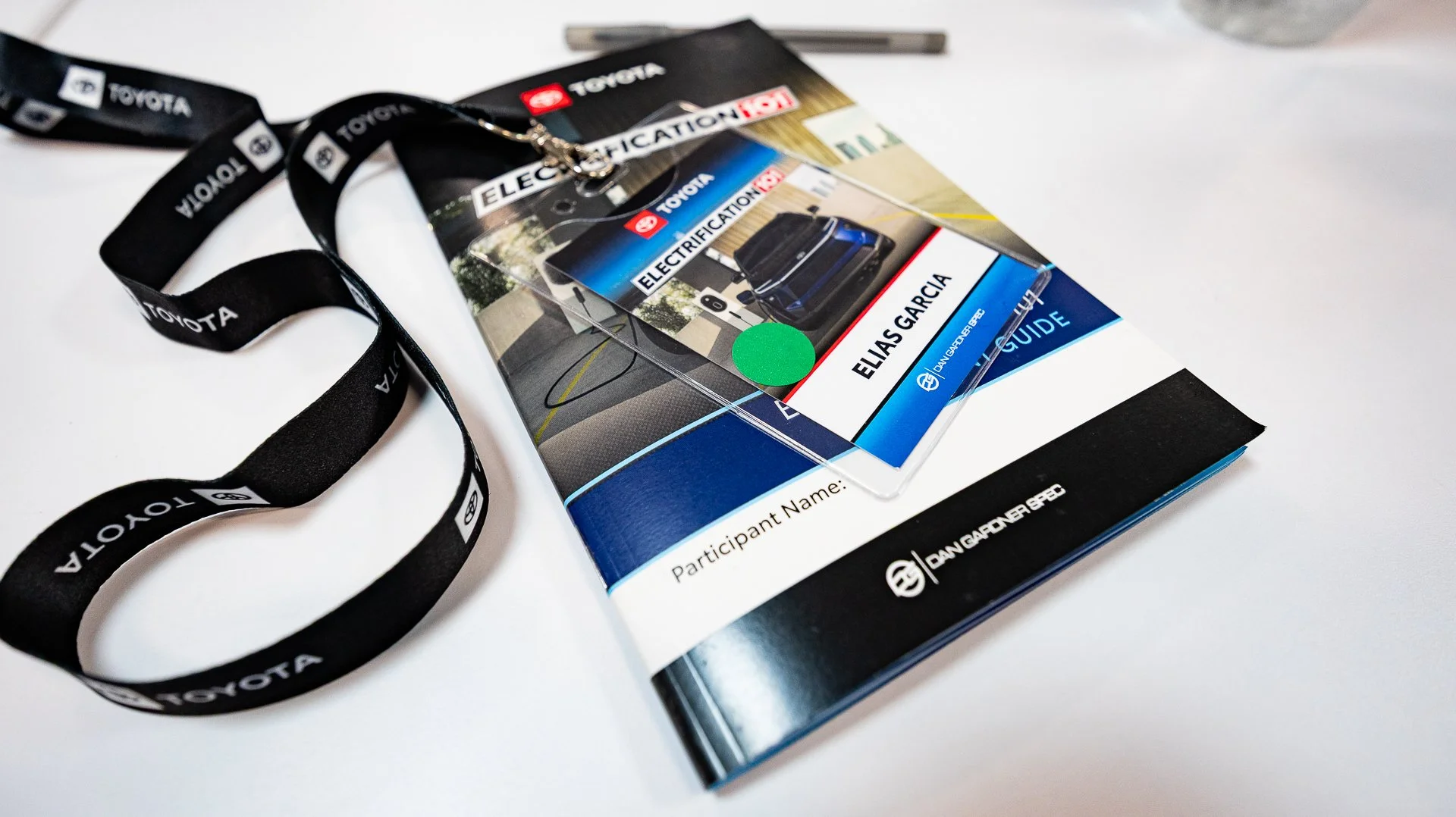
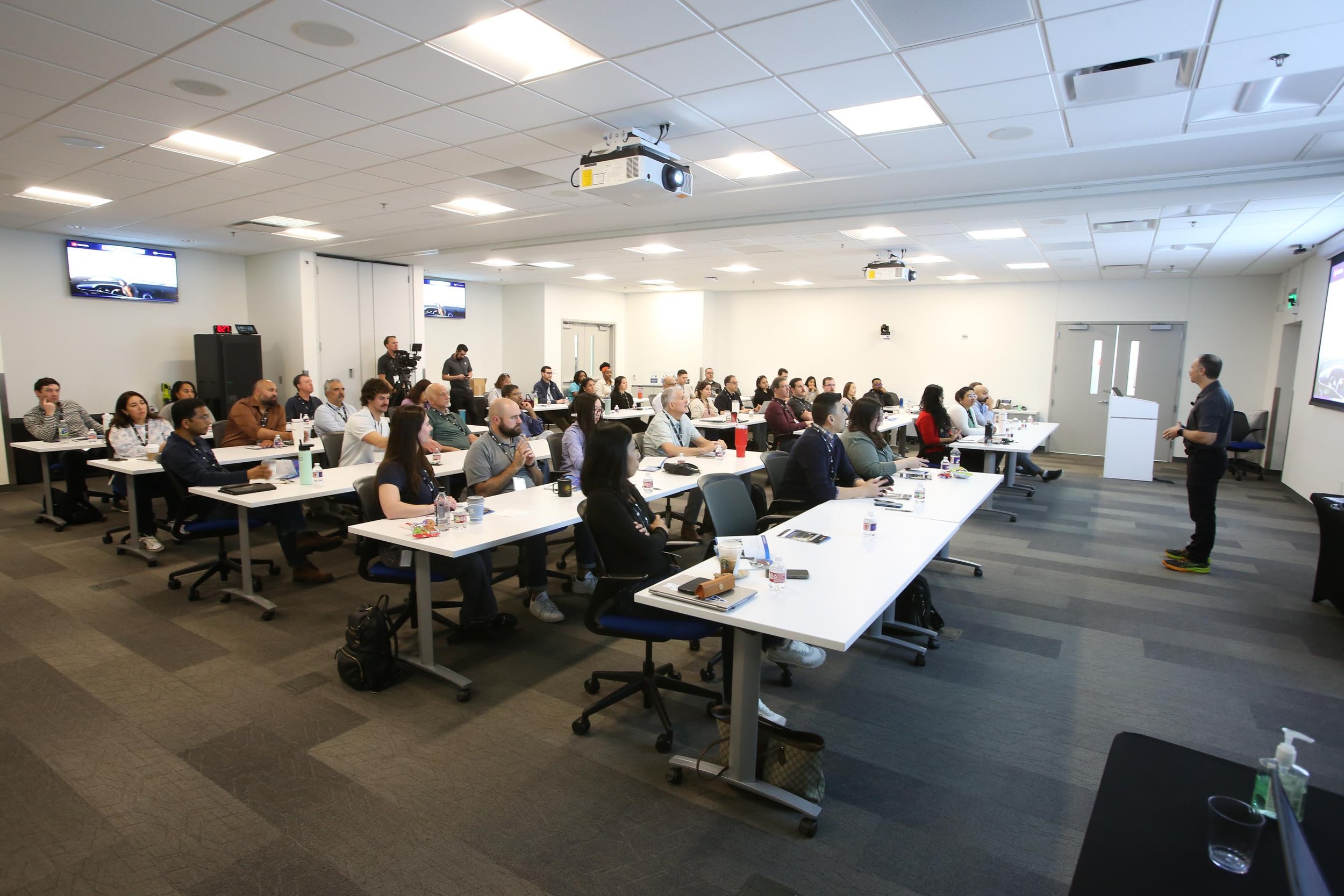
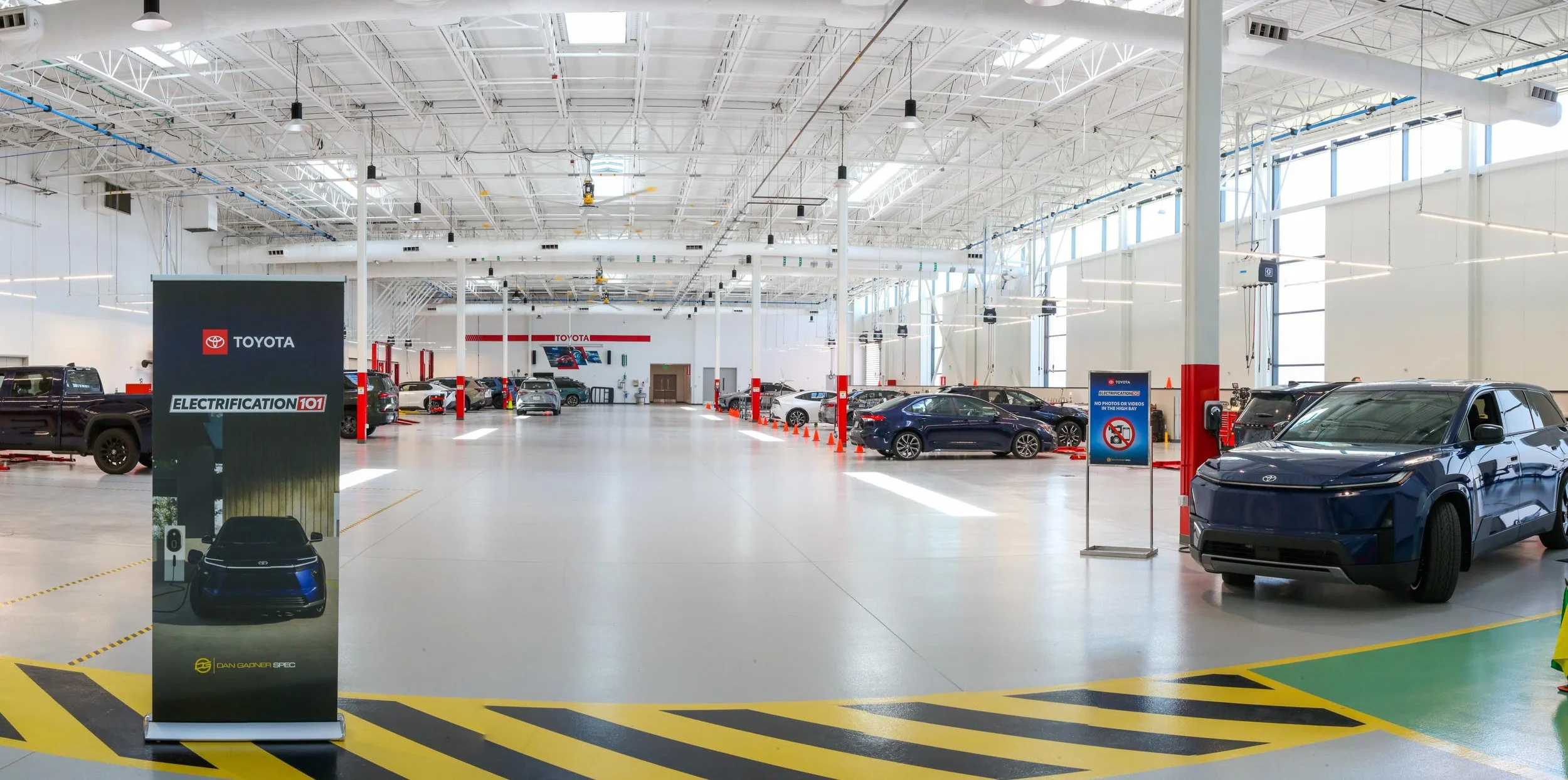
It’s been over 15 years since I’ve needed to wake up early for class, but this time I was positively charged for it. The team over at Toyota invited me to their Electrification 101 training offered to their employees. It’s refreshing to see a large corporation like Toyota investing into their employee’s knowledge. What made it incredible was the fact that this wasn’t a mandated training, and on top of that, with it being on a typical work from home Friday, these were employees that were wanting to be there. I couldn’t think of a better example of great company culture.
Professor Dan Gardner
Photo: Toyota
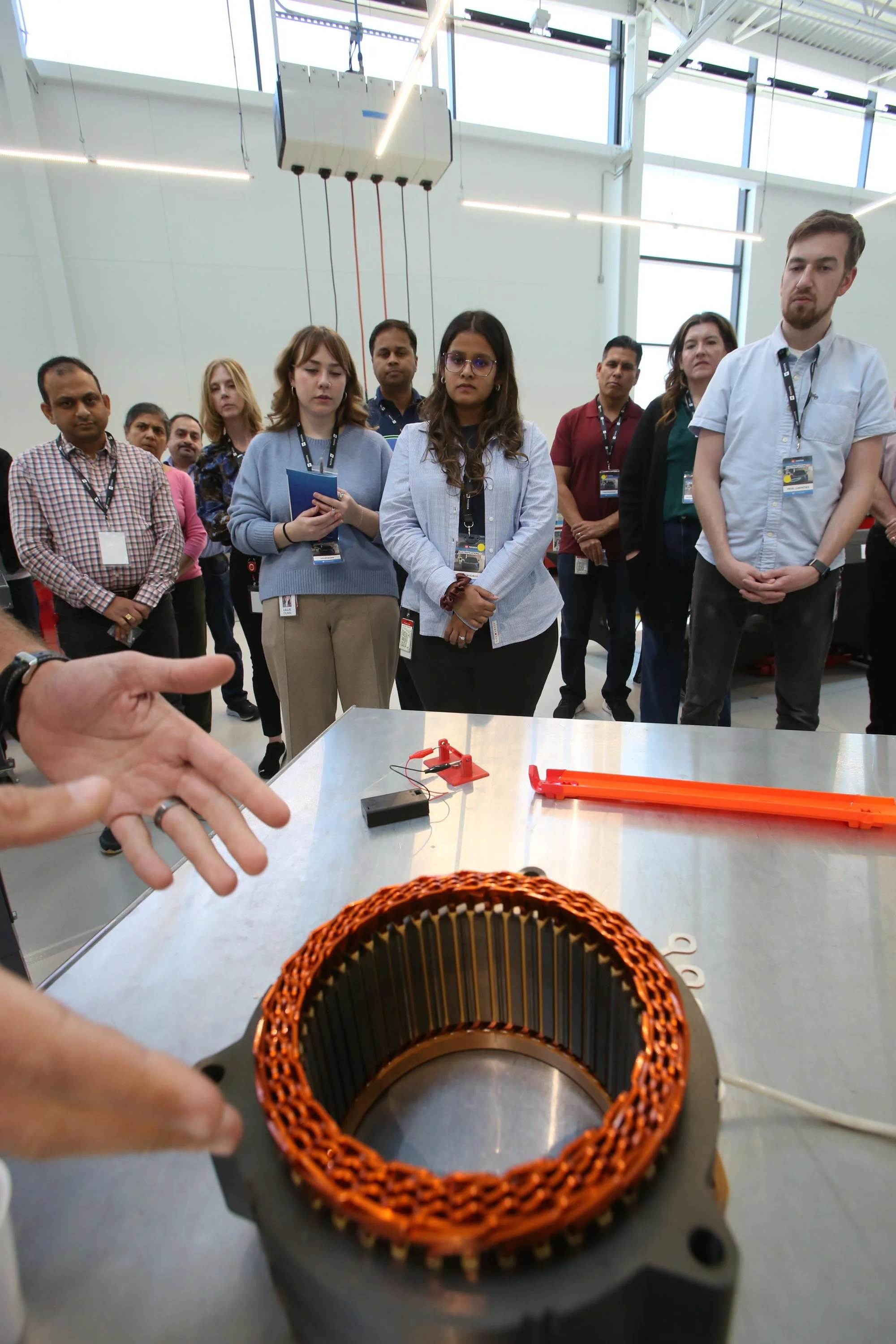
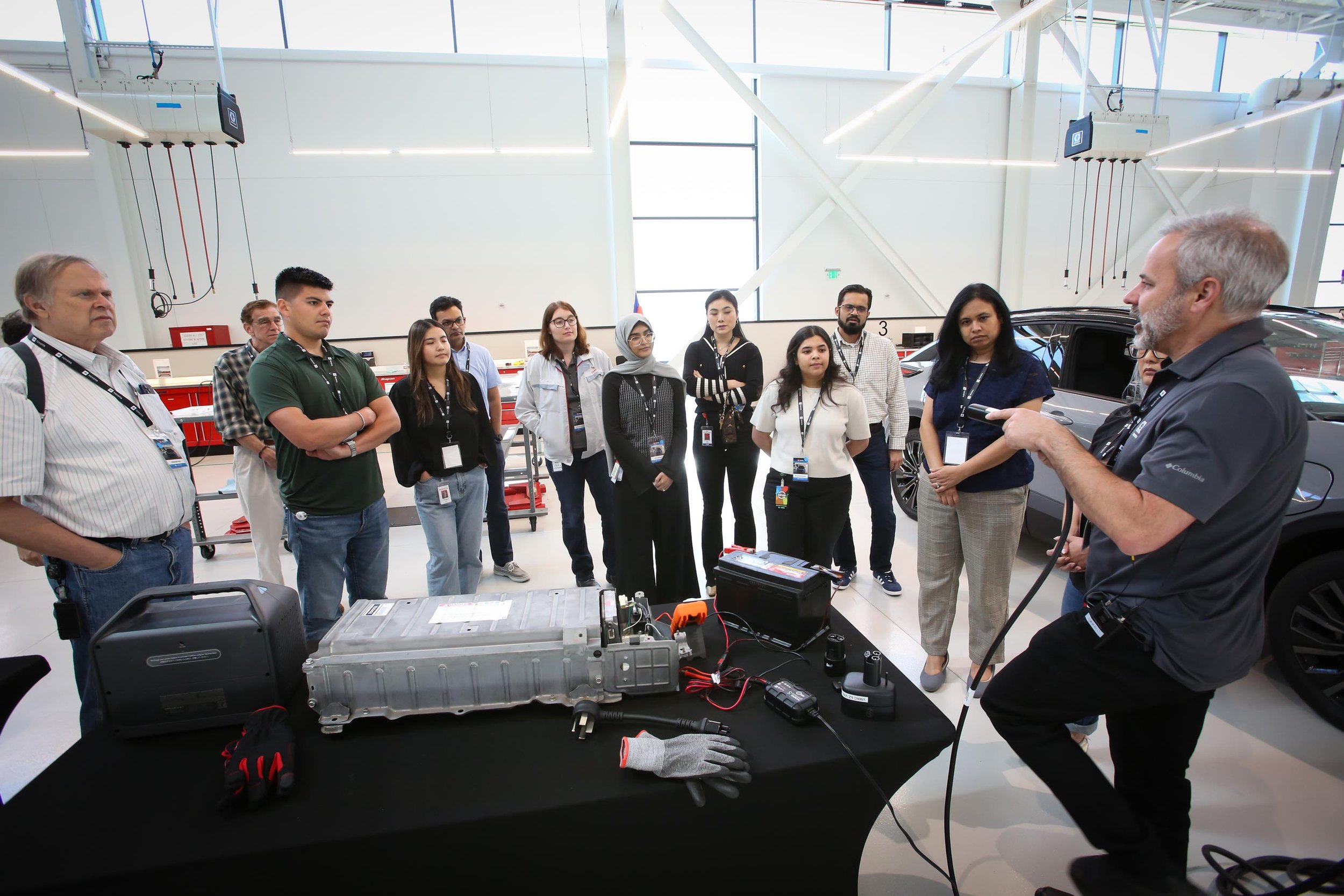
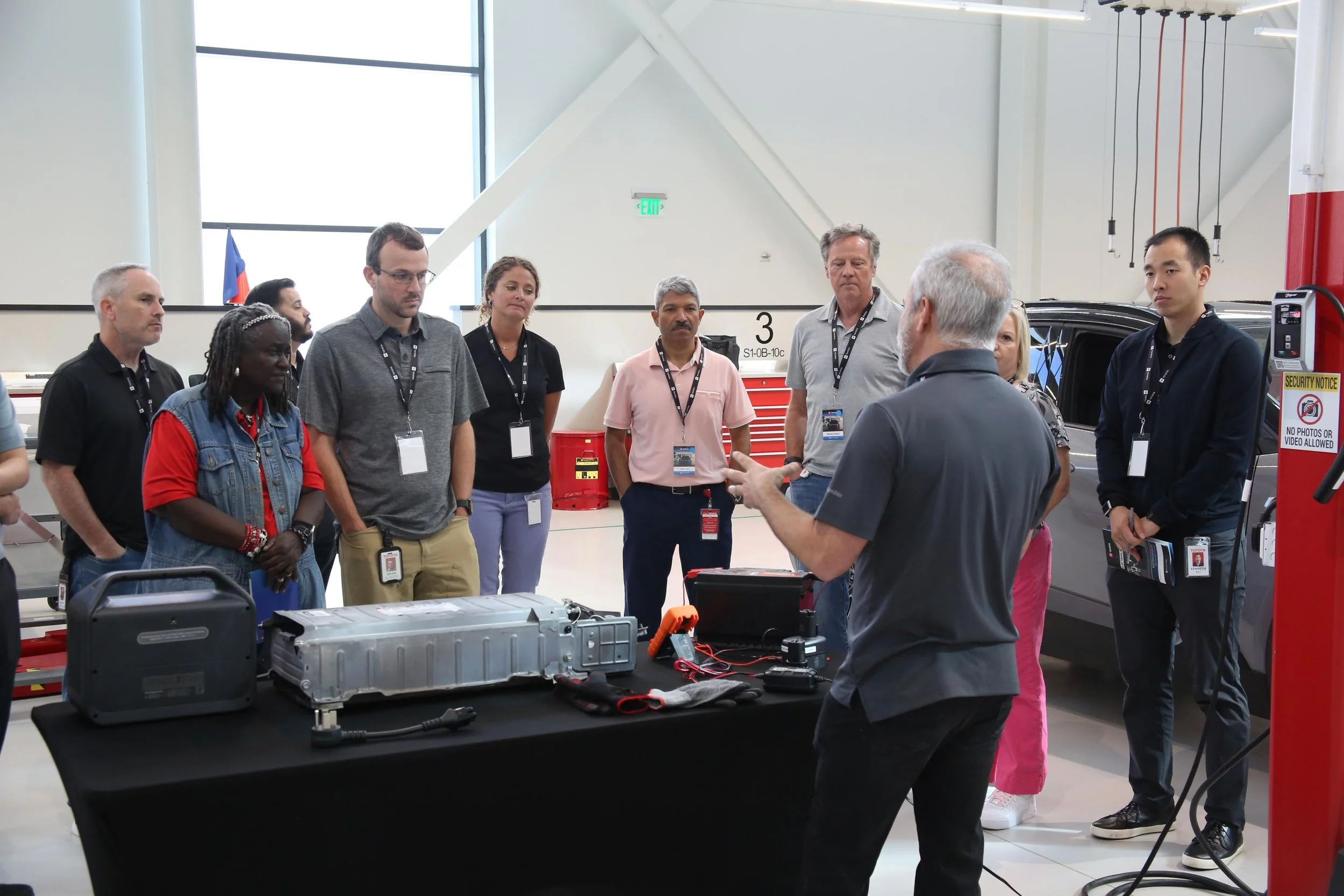
Our class was lead by Dan Gardner of Dan Gardner Spec. You may recognize his work like the hot rodded 2015 Toyota Sienna that beat a V8 Camaro around Streets of Willow Springs but a full second! The old saying “Those who can, do; those who can't, teach” doesn’t apply hear and I’ve always thought of it more as "Those who know, do. Those that understand, teach.” Dan clearly does with creations like the Sienna, and with the electrification course, he truly understands to teach it. He found the perfect balance to keep the non-technical and technical students engaged.
What I Learned in Class
Photo: Toyota
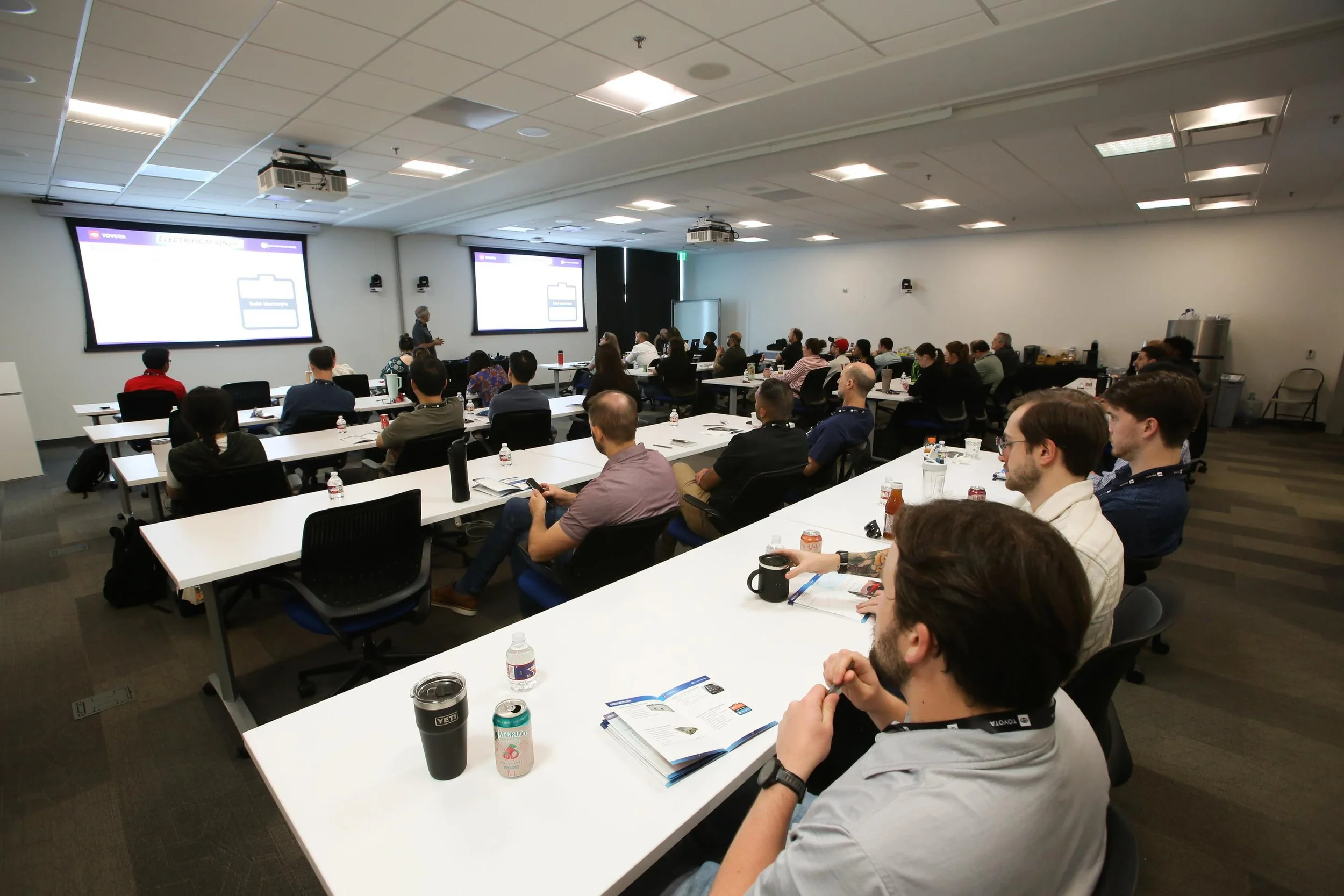
As someone that’s in the automotive industry and consider myself fairly technical, I was surprised at how much I learned. With this being a presentation on electrification, the reason why Toyota is moving forward with it, was also the biggest eye-opening point. I learned that fuel has an efficiency of about 30% to actually move your wheels. That’s after heat is lost in the exhaust, used for cooling, and drivetrain loss. Electrification can offer about 90% efficiency with the other 10% being lost to cooling. Whether you’re wanting the efficiency for MPGs or for power reasons, there’s no denying that a 60% improvement is big!
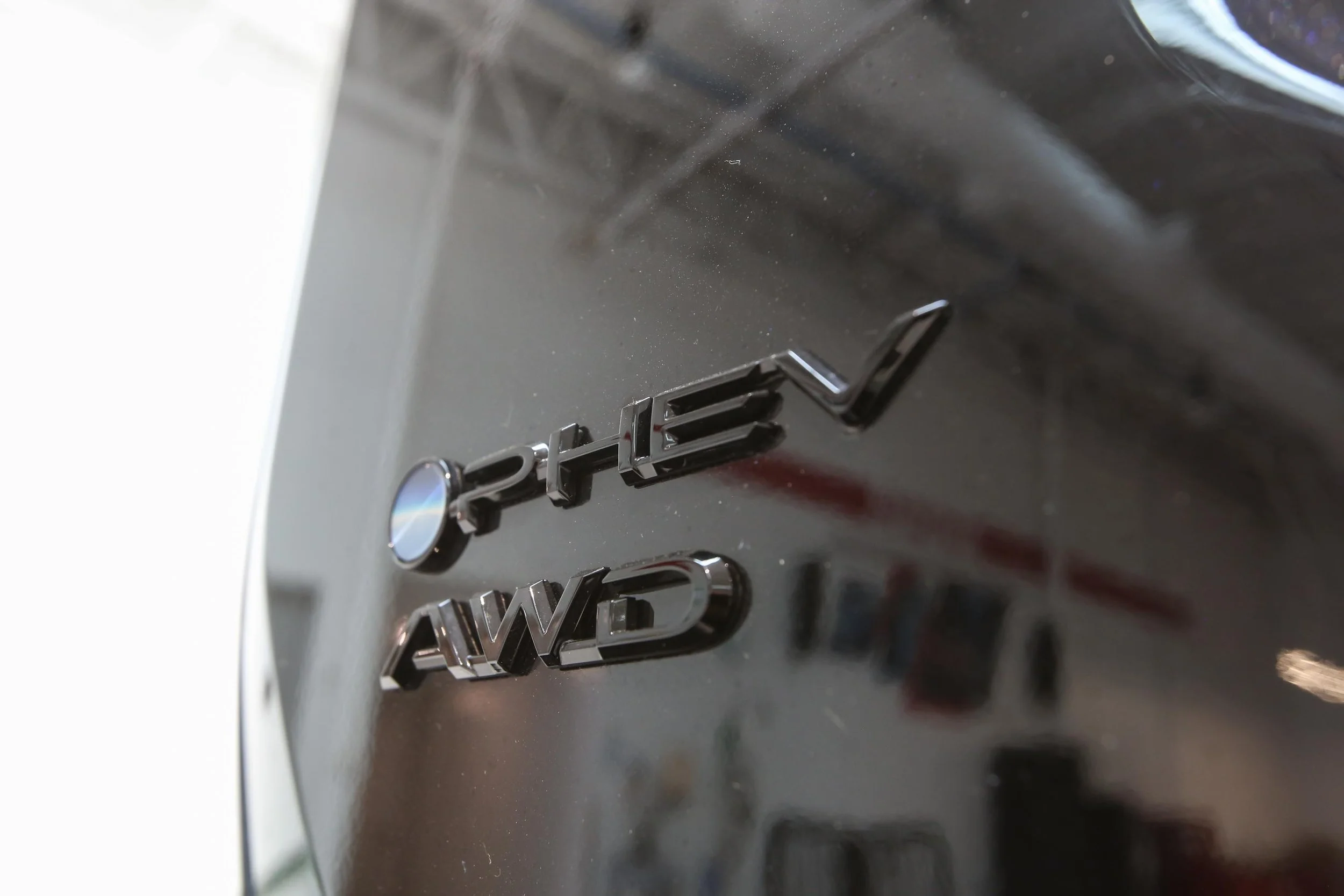
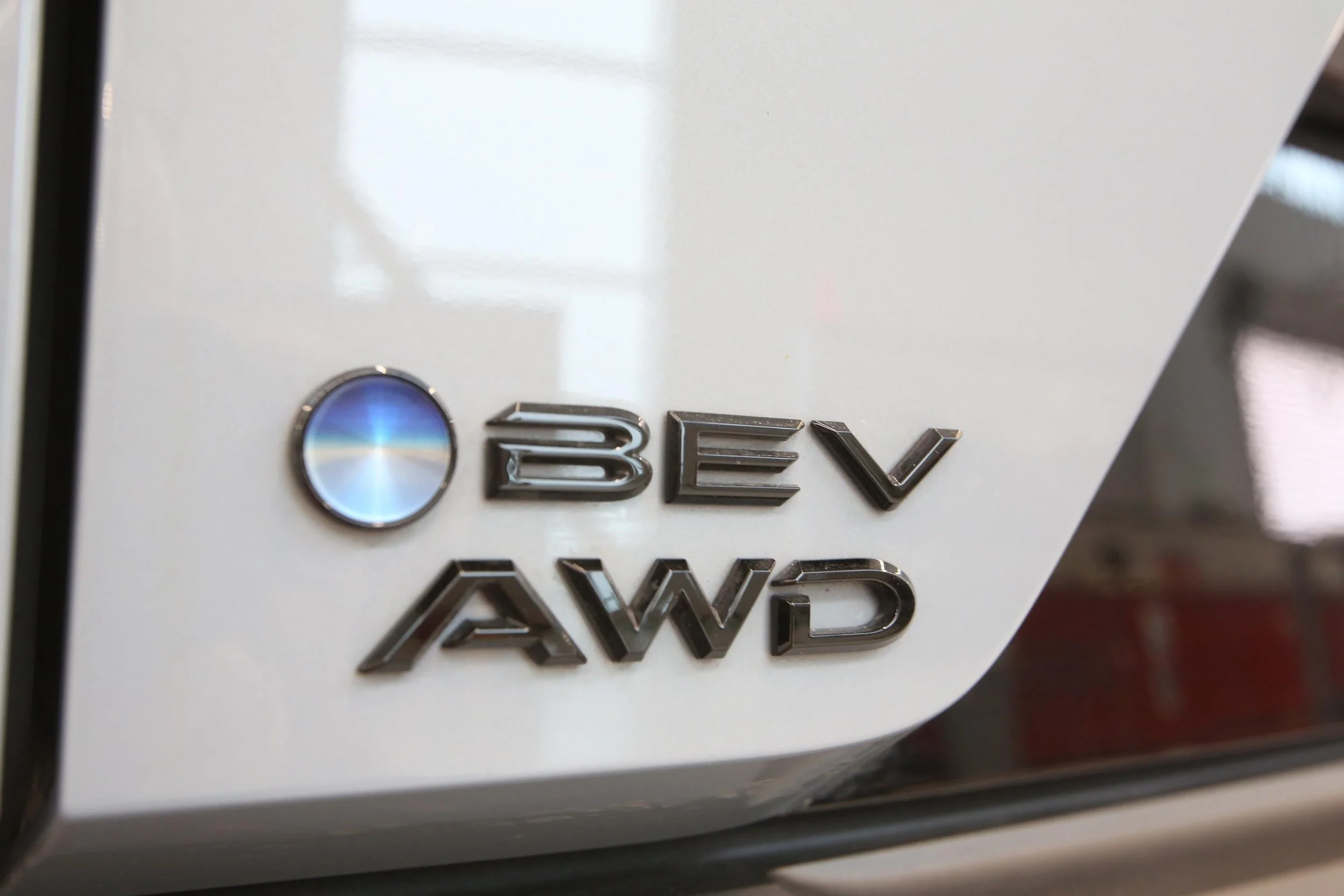
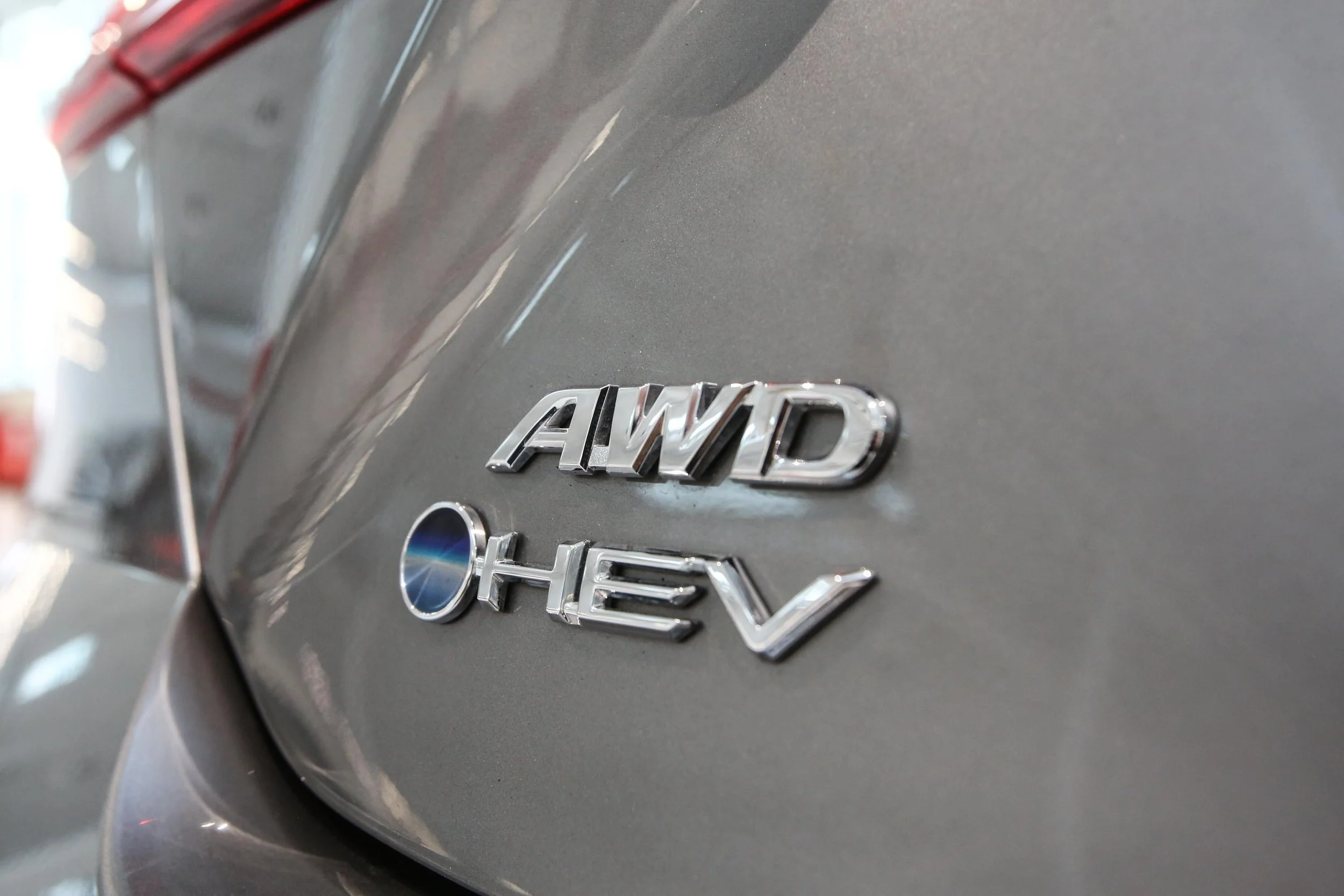
In 2025, 50% of Toyotas sold, had some form of electrification. Whether it was a hybrid, plug-in hybrid, or full EV, it shows that customer’s are also making the switch to electrification. We learned that there isn’t a one size fits all solution for Toyota customers, but there is at least on electrification option for all. With hybrids you get the least change of your standard internal combustion engine, there’s no need for charging, offers better MPGs than standard ICE, and lower emissions. Then comes my personal favorite in the form of plug-in hybrids. Although they typically cost more due to their larger battery packs, you get the option to charge and often use an EV only mode that doesn’t require the gasoline engine. To really offset the additional price of plug-ins, you’ll want to have access to some form of charging. Finally, the full EV will require that you have access to a local network of charging stations, or home charging to make the most of it. Then comes the 1:6:90 ratio where you take 100kWh battery pack, an you’ll get 1 EV, 6 PHEV, or 90 HEV. In return, you’ll get about 3.7, 19, and 130 tons of carbon-emissions reduction to their respective models. This is why Toyota’s strategy has been to offer more hybrids over full EVs.
Photo: Toyota
I think the biggest thing people forget with electrified vehicle batteries is their after car life. Although batteries in an EV have to be at their optimal life due to it’s limited size in a vehicle, they can get a second life in form of energy storage in larger spaces for things like solar panel or wind turbine power storage. Once they have completed their lifespan there, they’re recycled to create new EV batteries and then cycle starts over.
Hands-On Learning
Photo: Toyota
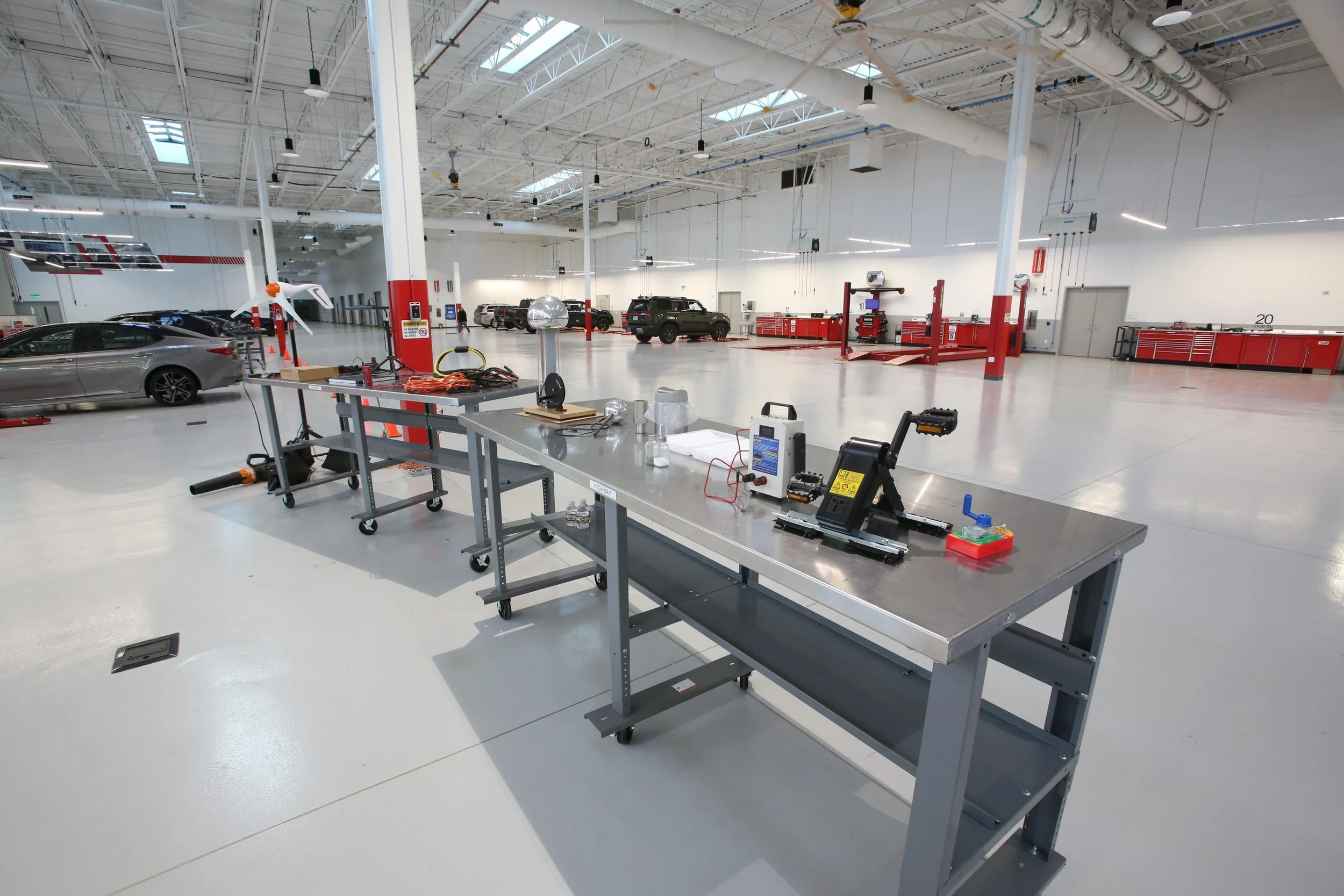
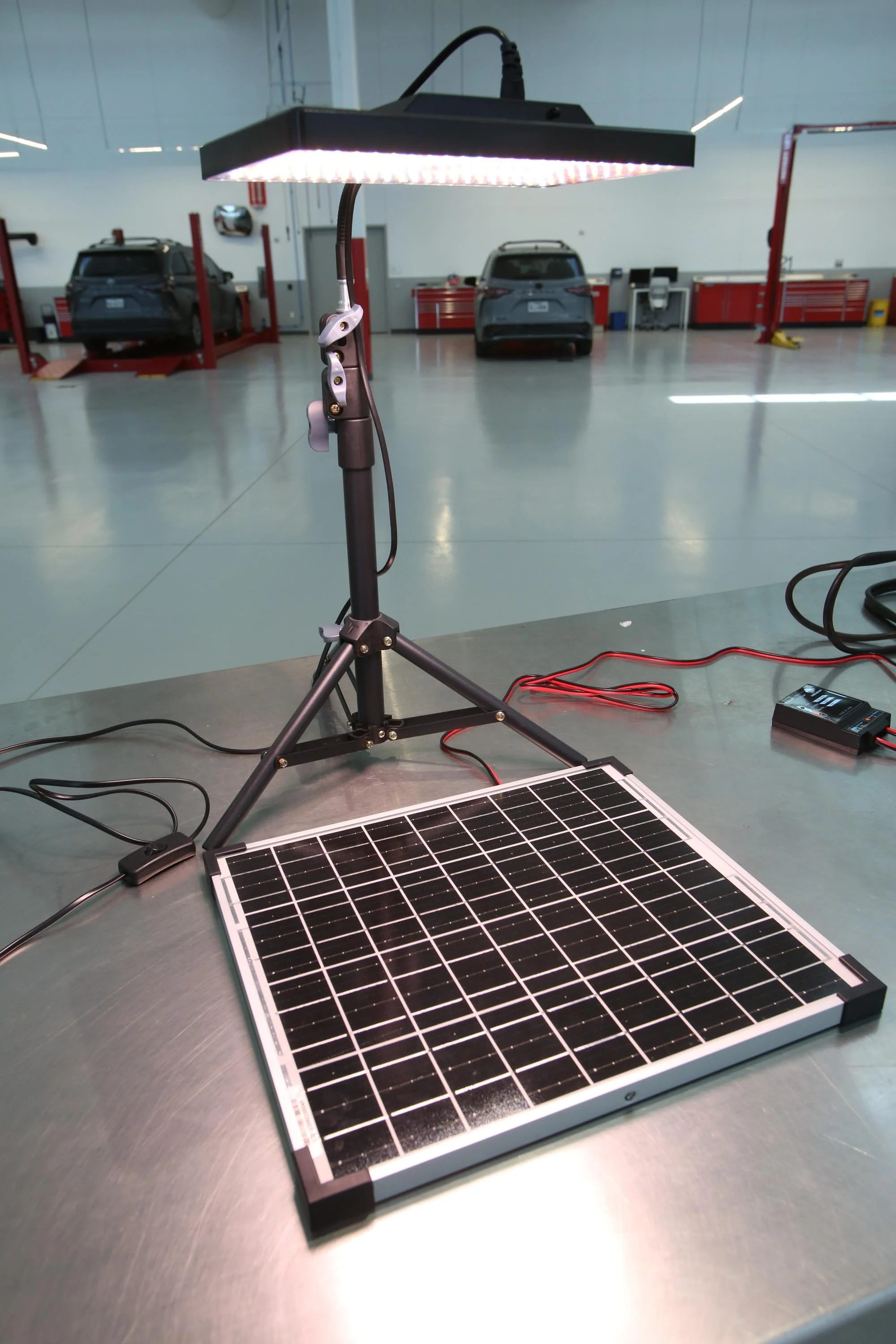
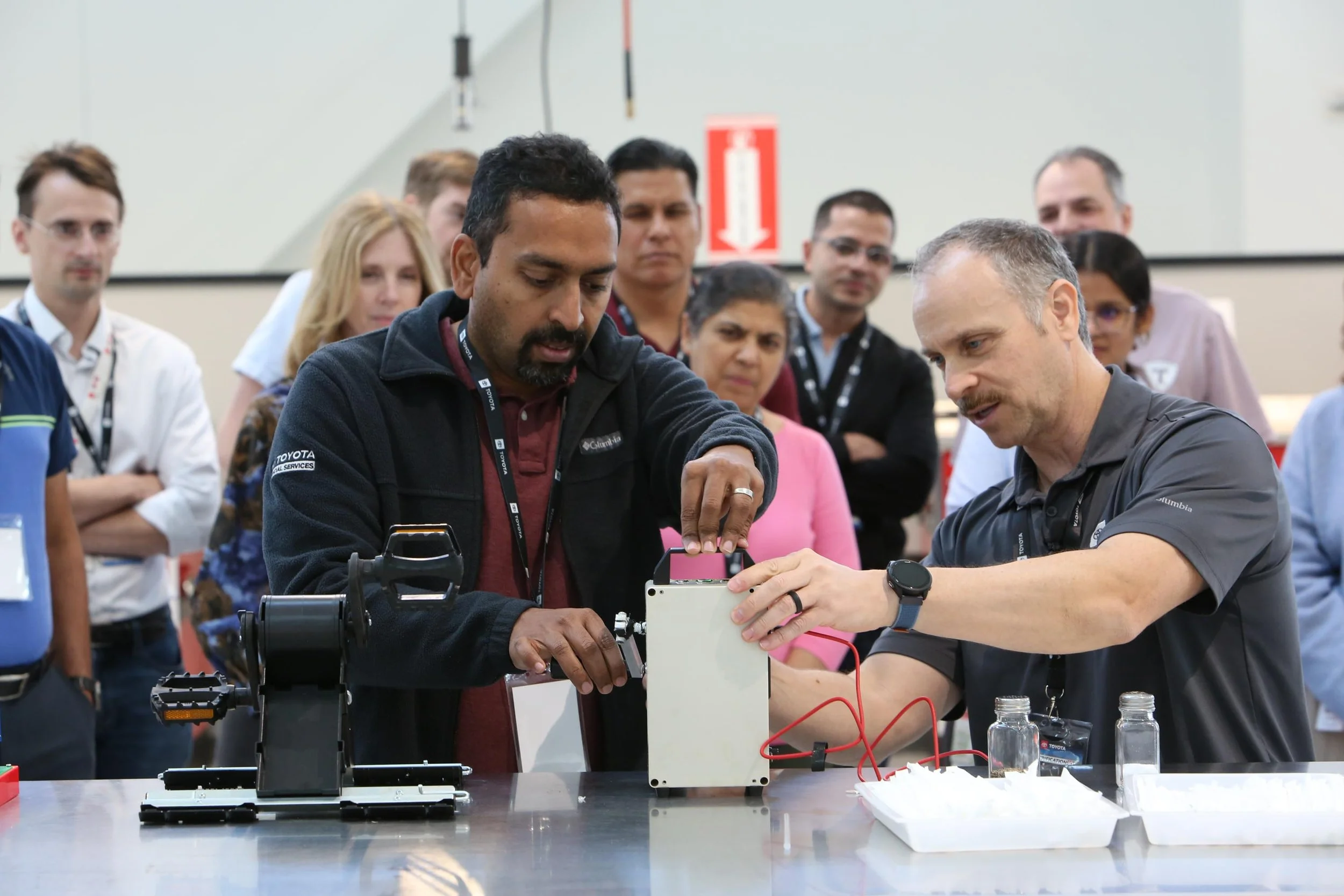
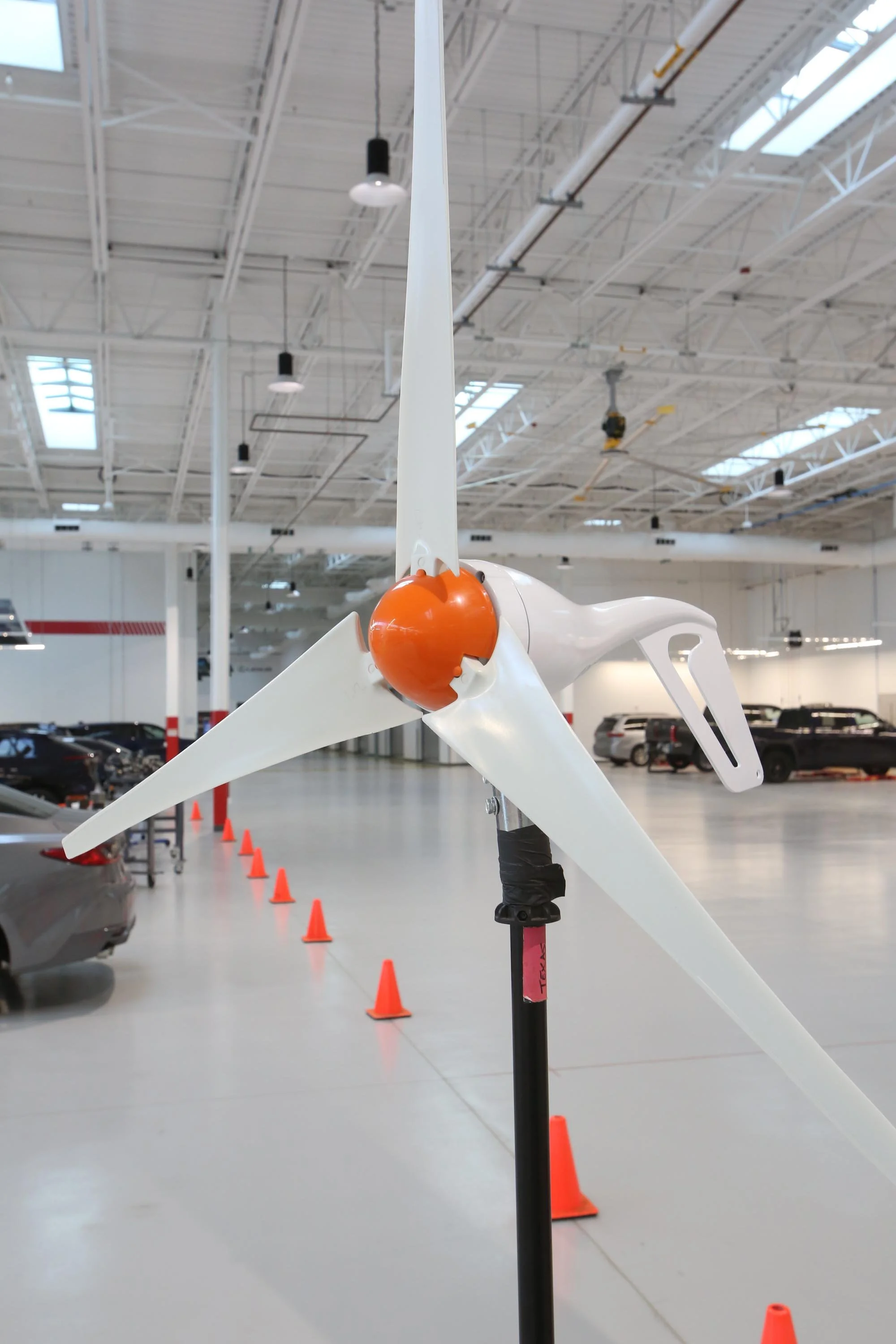
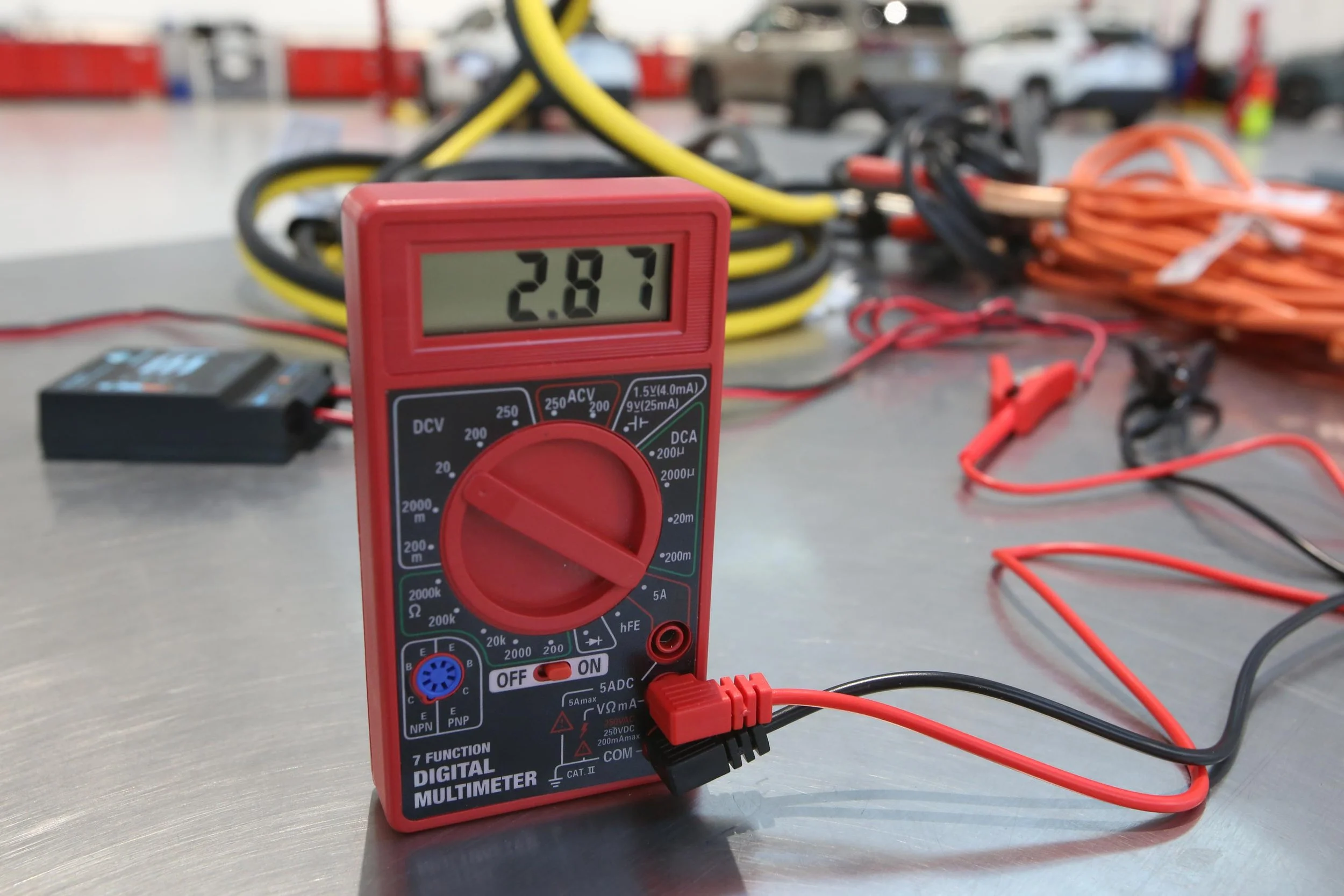
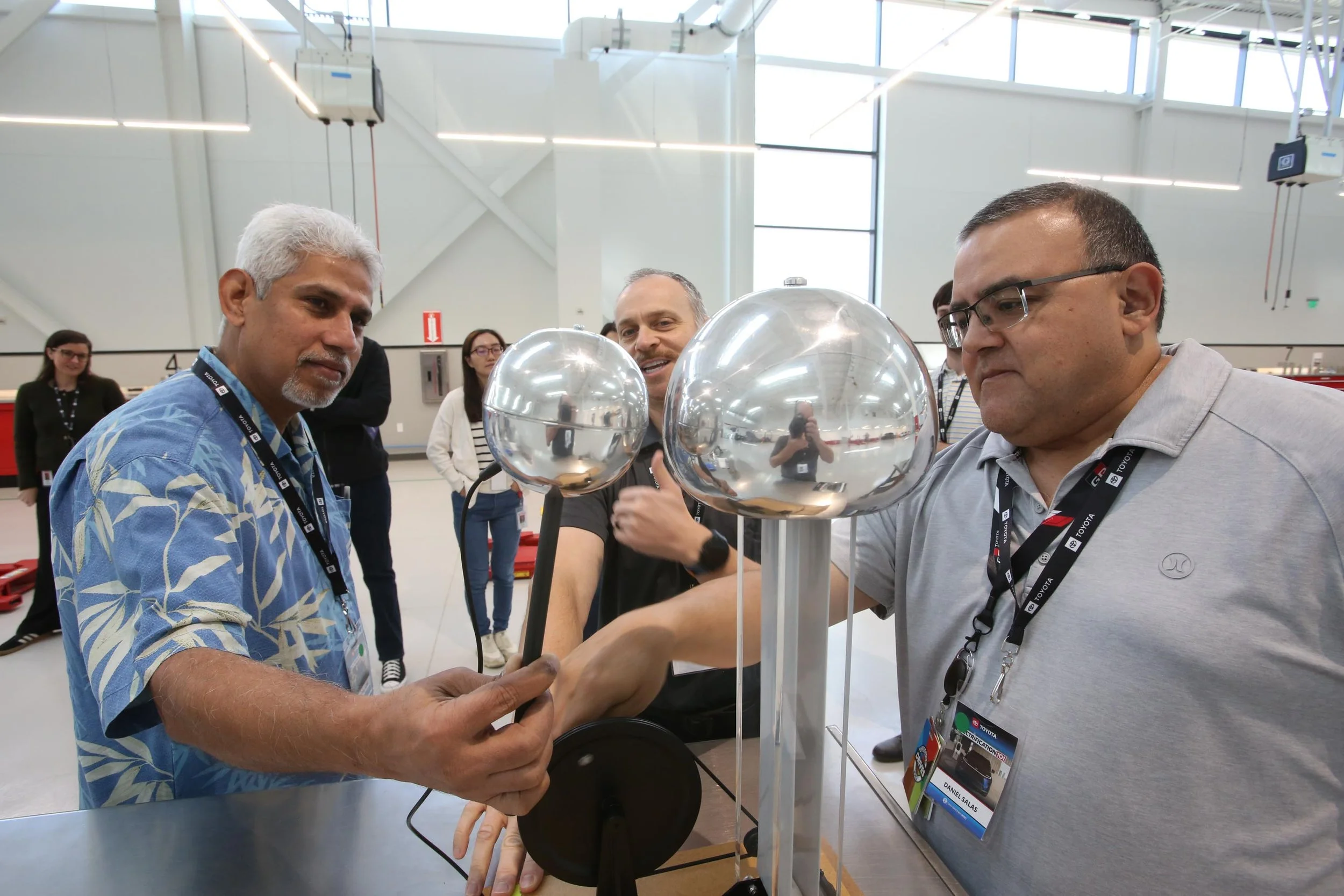
It was time to see the classroom learnings in action. The first station had us learning about producing electricity. We had examples like generators you had to crank by hand, solar panels with a light, and a wind turbine being blown by a leaf blower. With voltage meters attached to them, we could see how they can produce power and how different things can affect their power.
Photo: Toyota
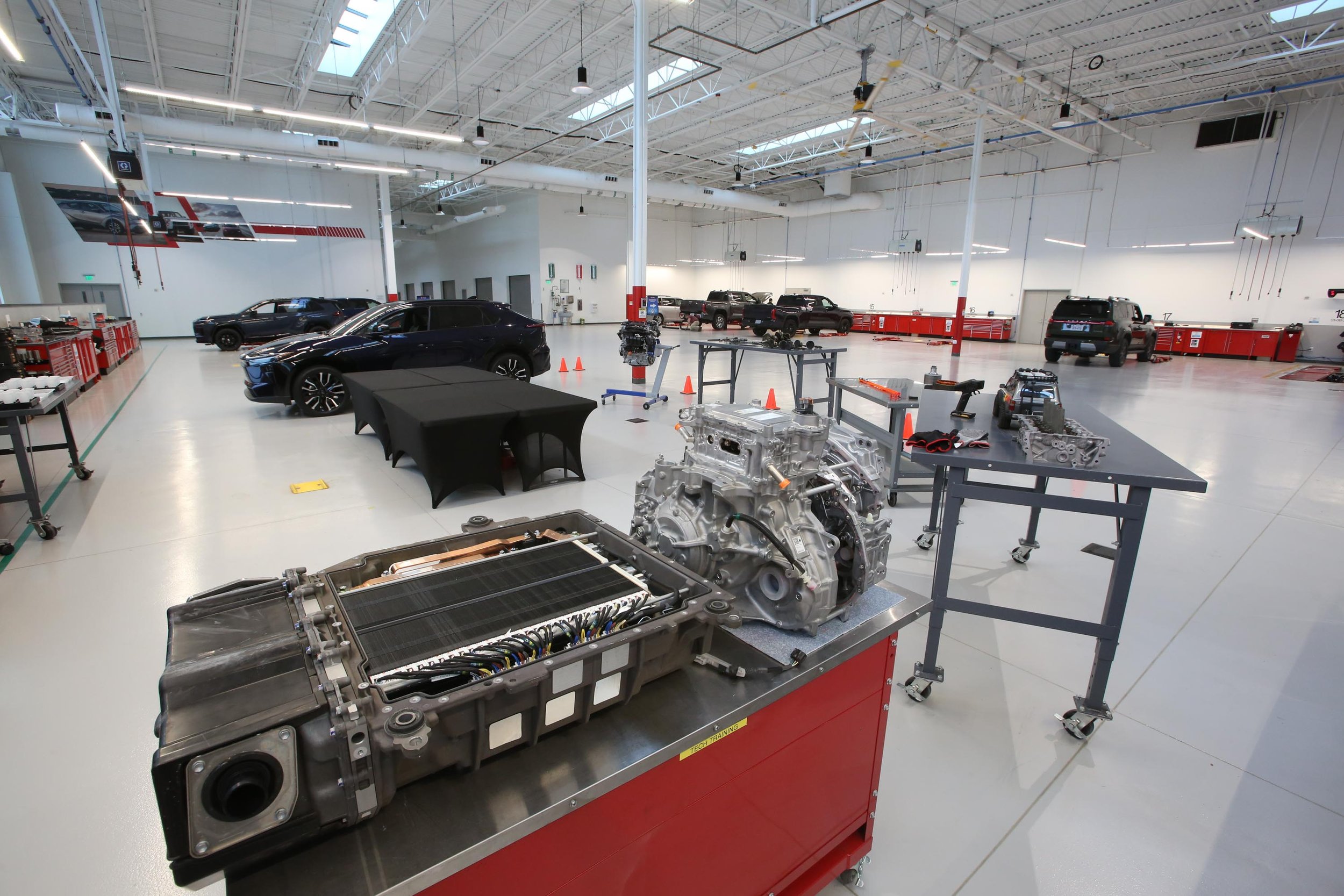
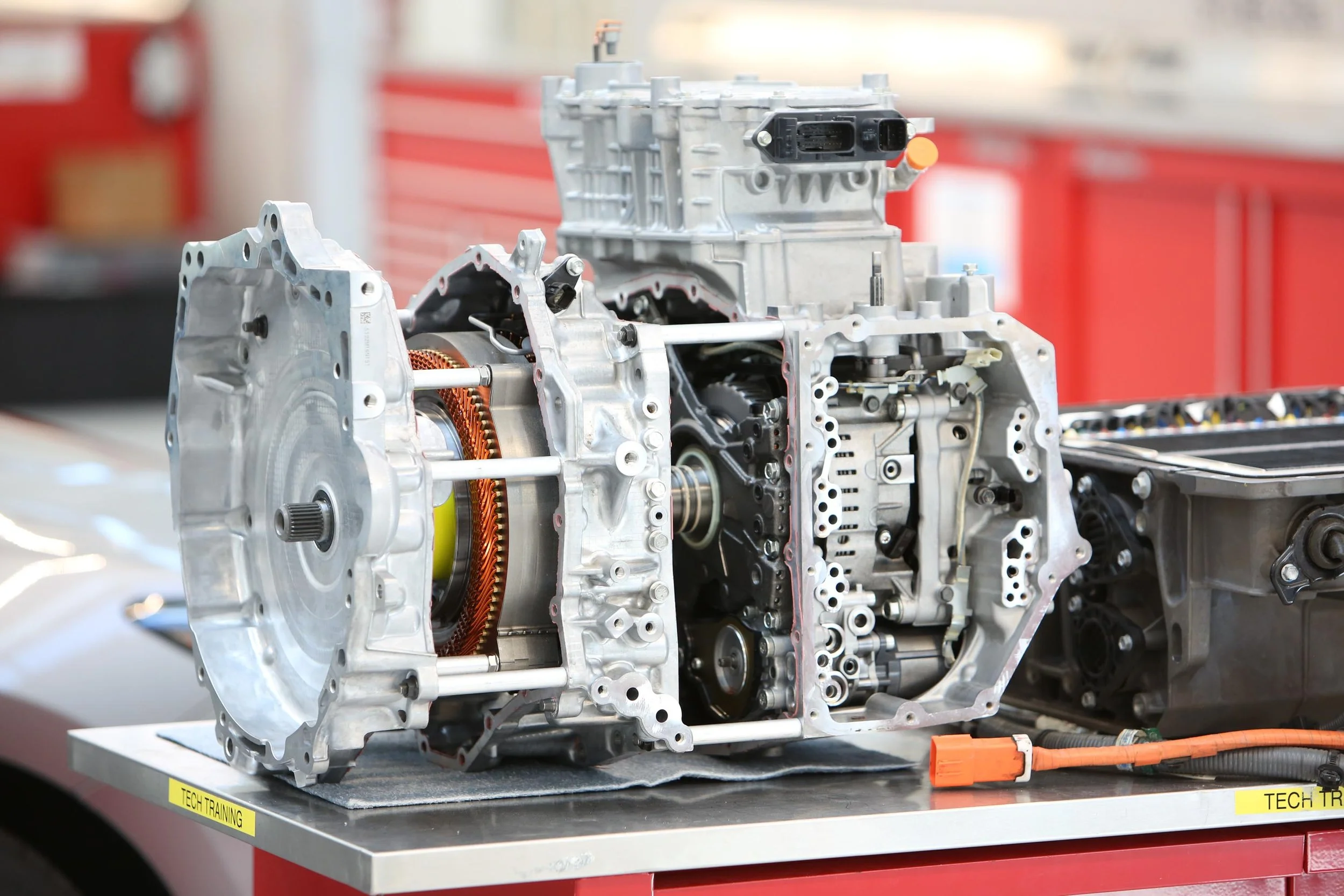
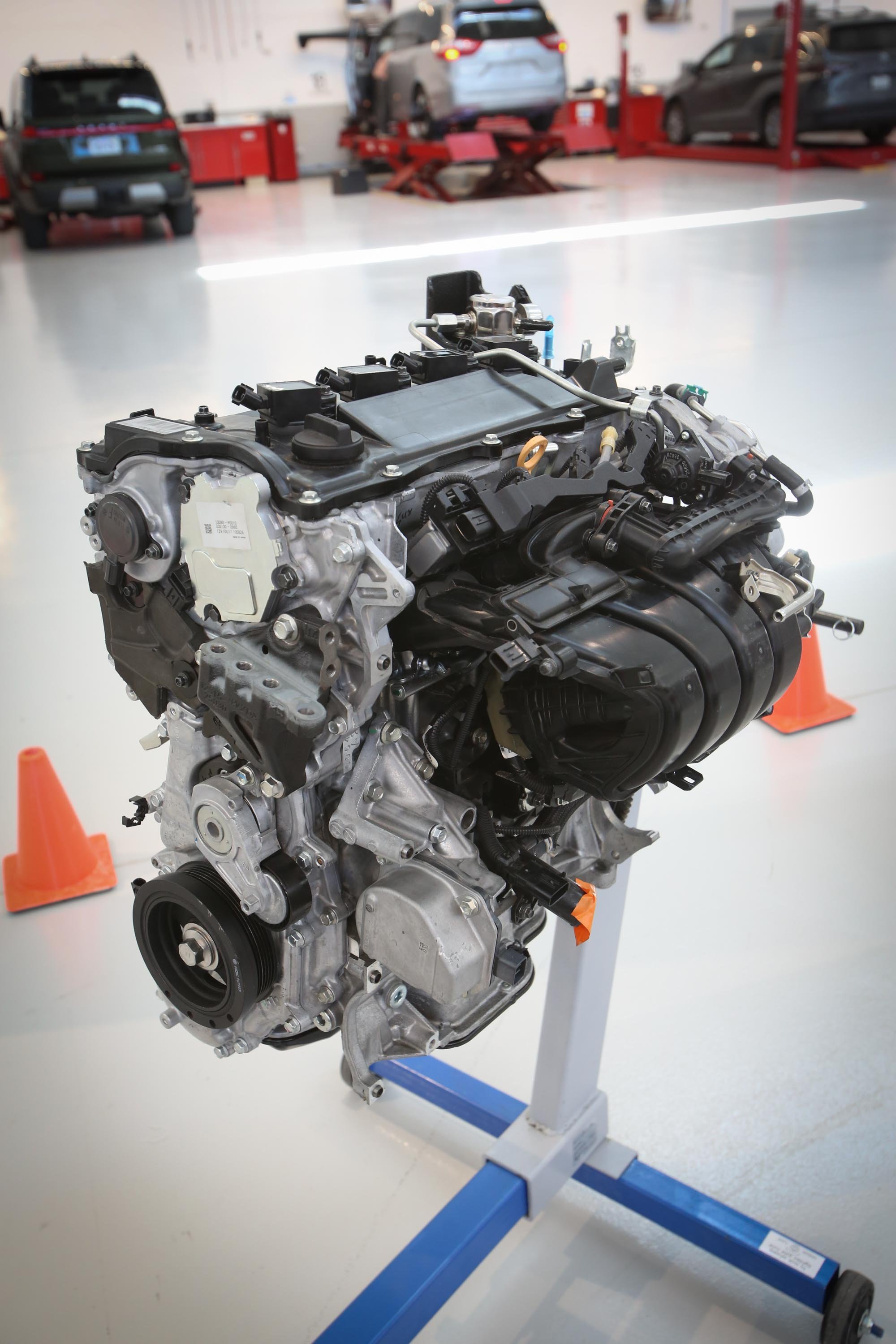
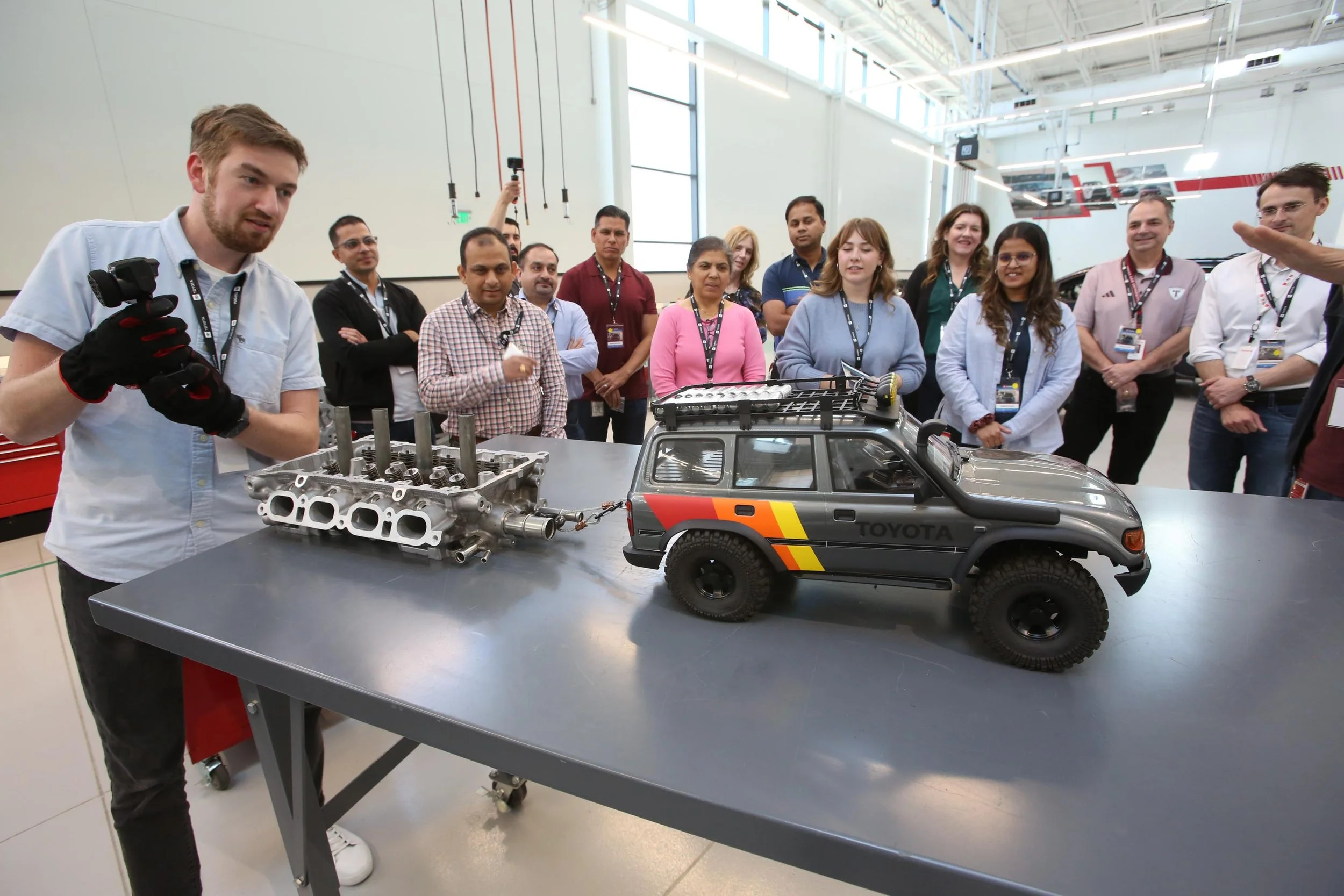
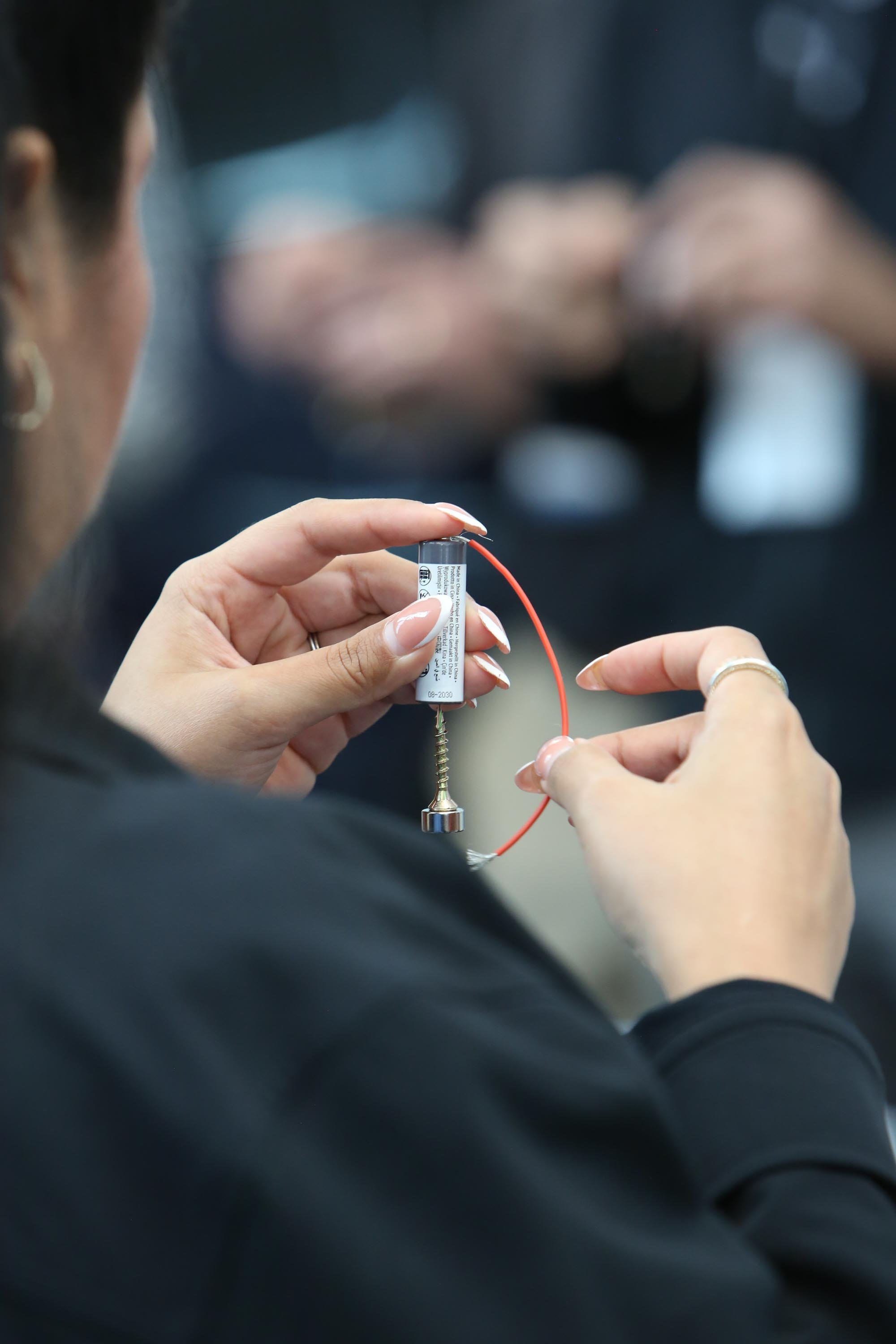
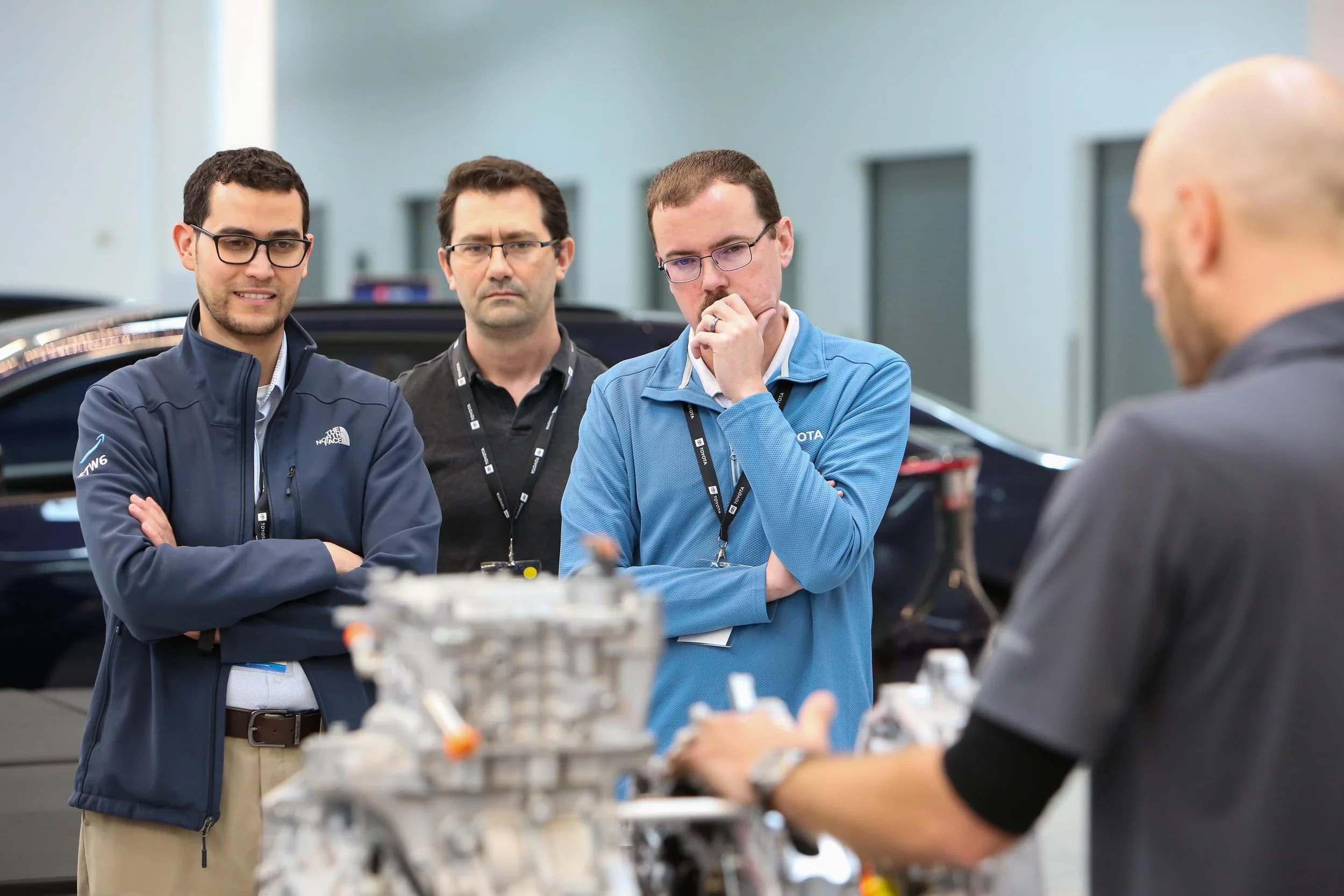
The second station was eye opening for myself and the other students. We looked at the electrified powertrains and realized how simple they are compared to a traditional internal combustion engine. The other surprise was how compact the systems are compared to ICE systems. We also had a demonstration with a RC Land Cruiser 80 to show how much low end torque EVs have, by having it pull the head of an ICE. We also created our simplified electric motors with a battery, screw, wire, and magnet. It was exciting to see the magnet spinning, and my son has been playing with it for the last week.
Photo: Toyota
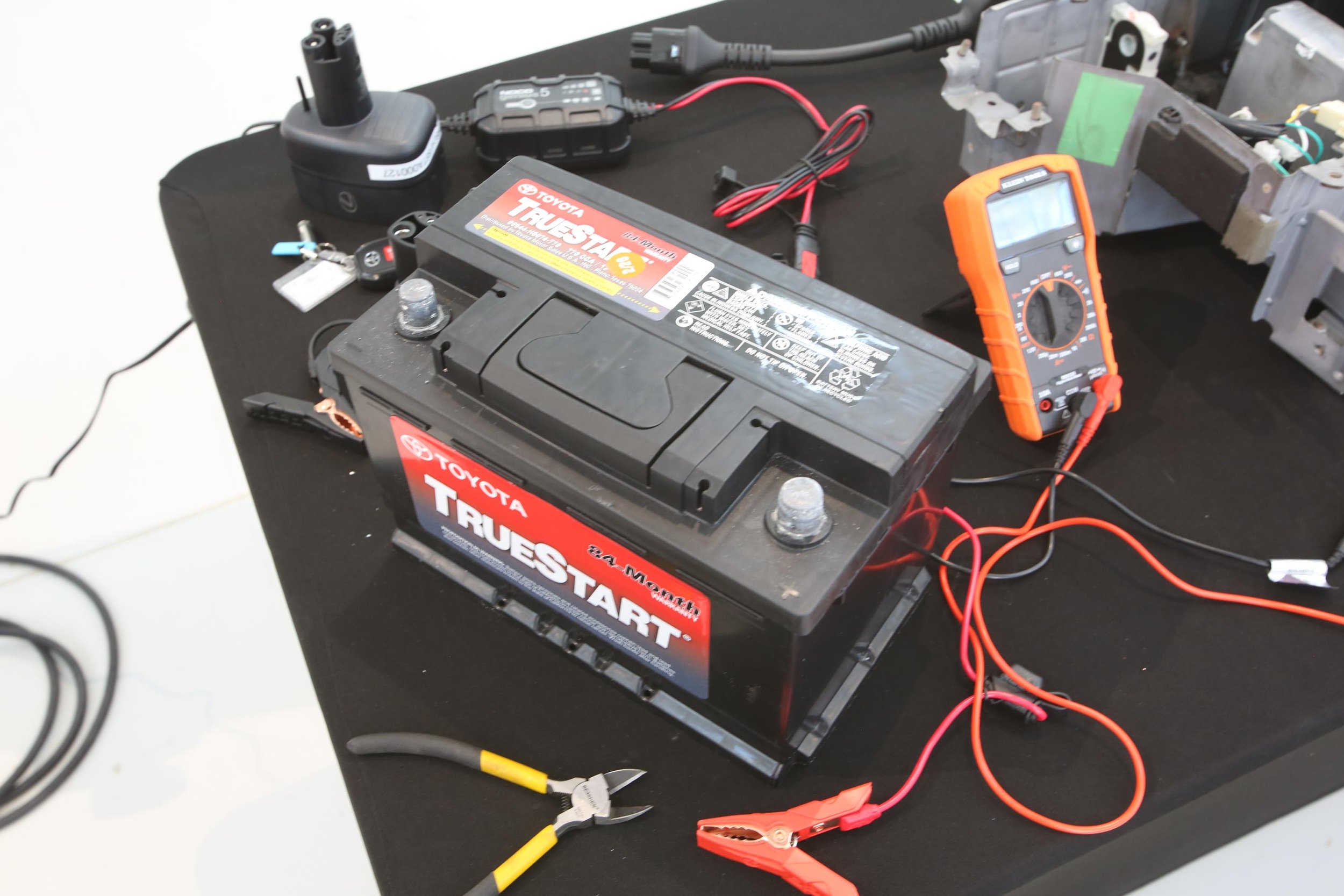
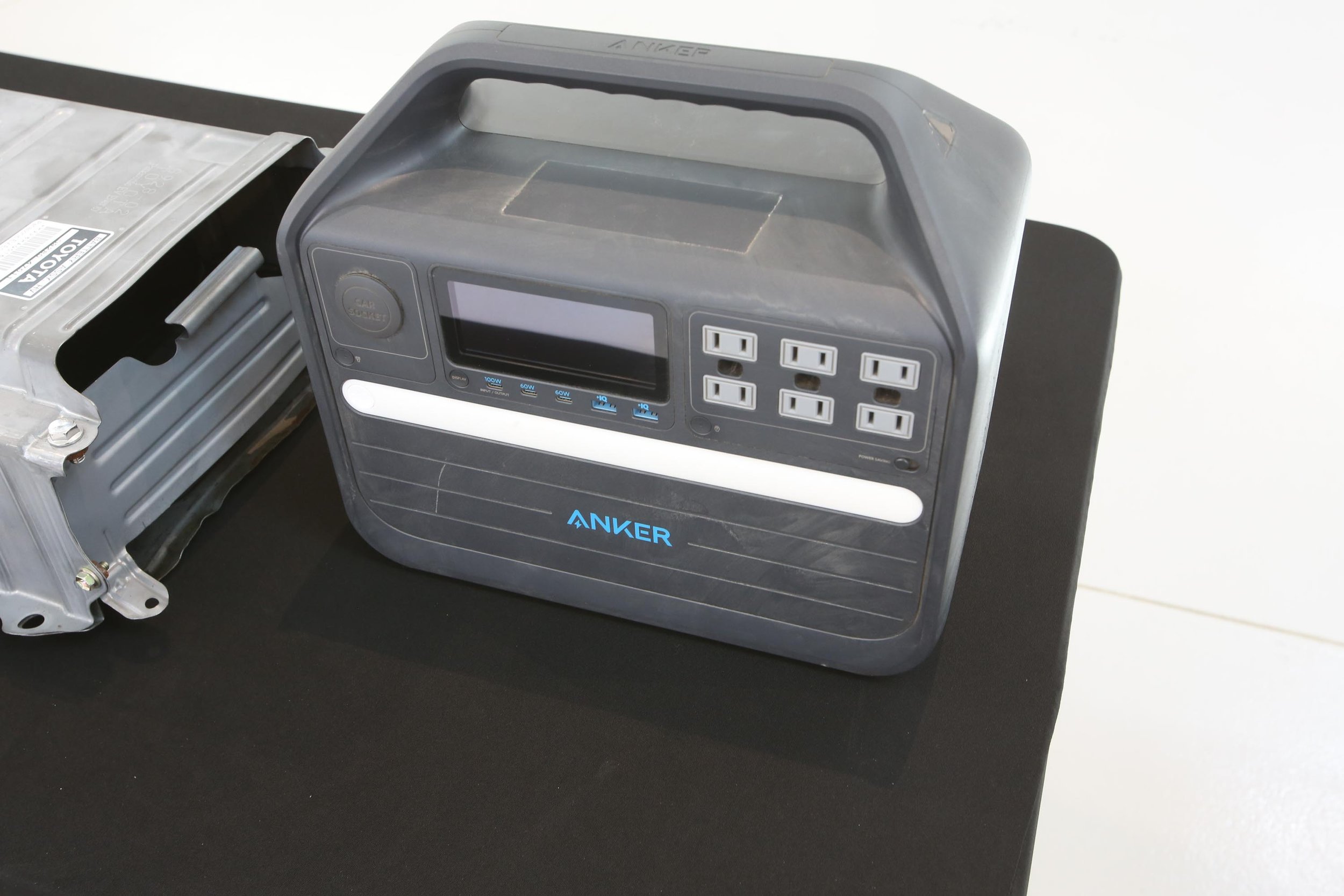
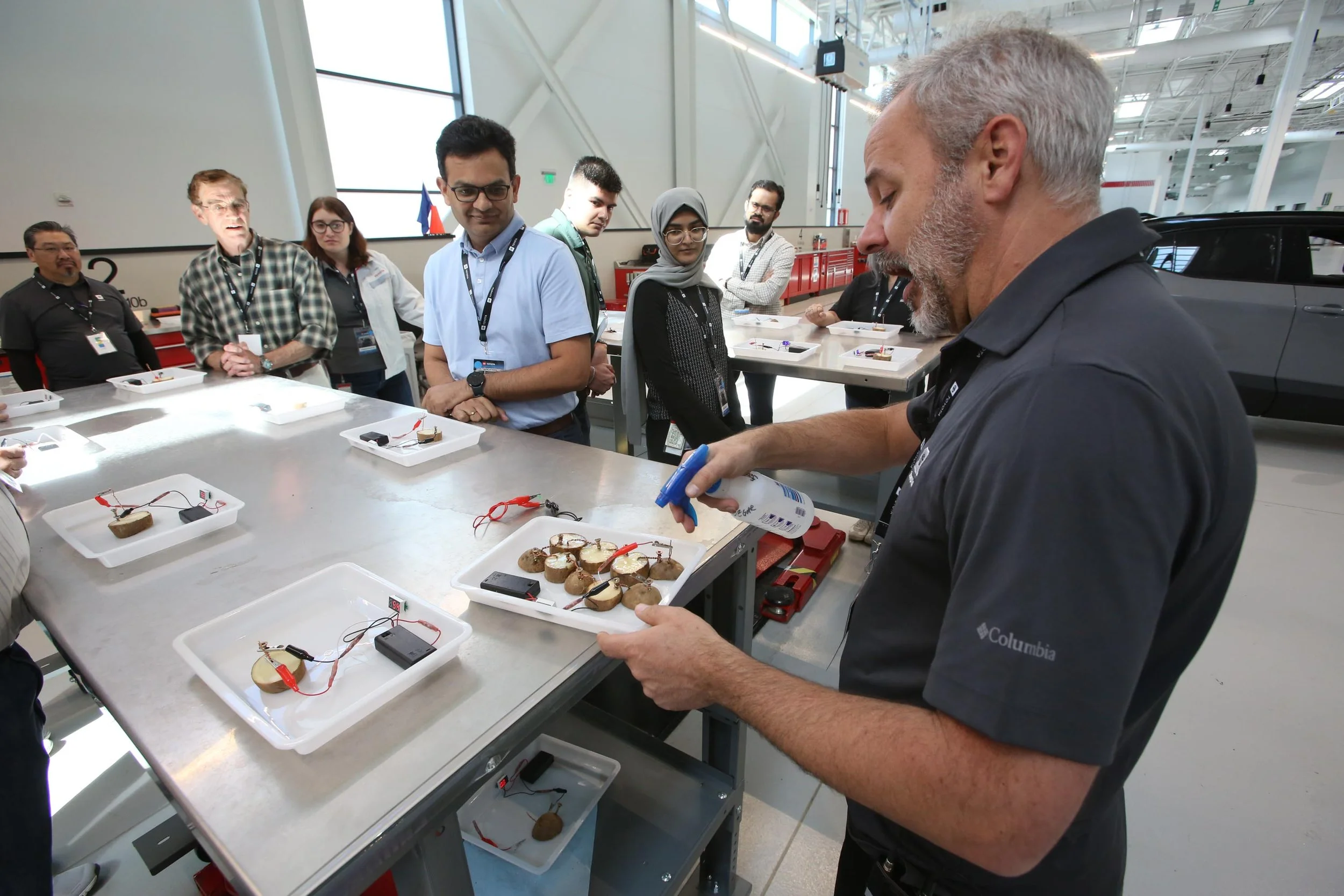
Lastly, I got to do something that I never had a chance to do in high school. We used potatoes, copper, and zinc to generate electricity. I also volunteered to lift the different types of batteries to see how they vastly differ. Although the current use of Lithium-ion isn’t perfect solution, it’s currently the best all around option offering a lighter and more energy dense solution.
Student’s Perspective
Photo: Toyota
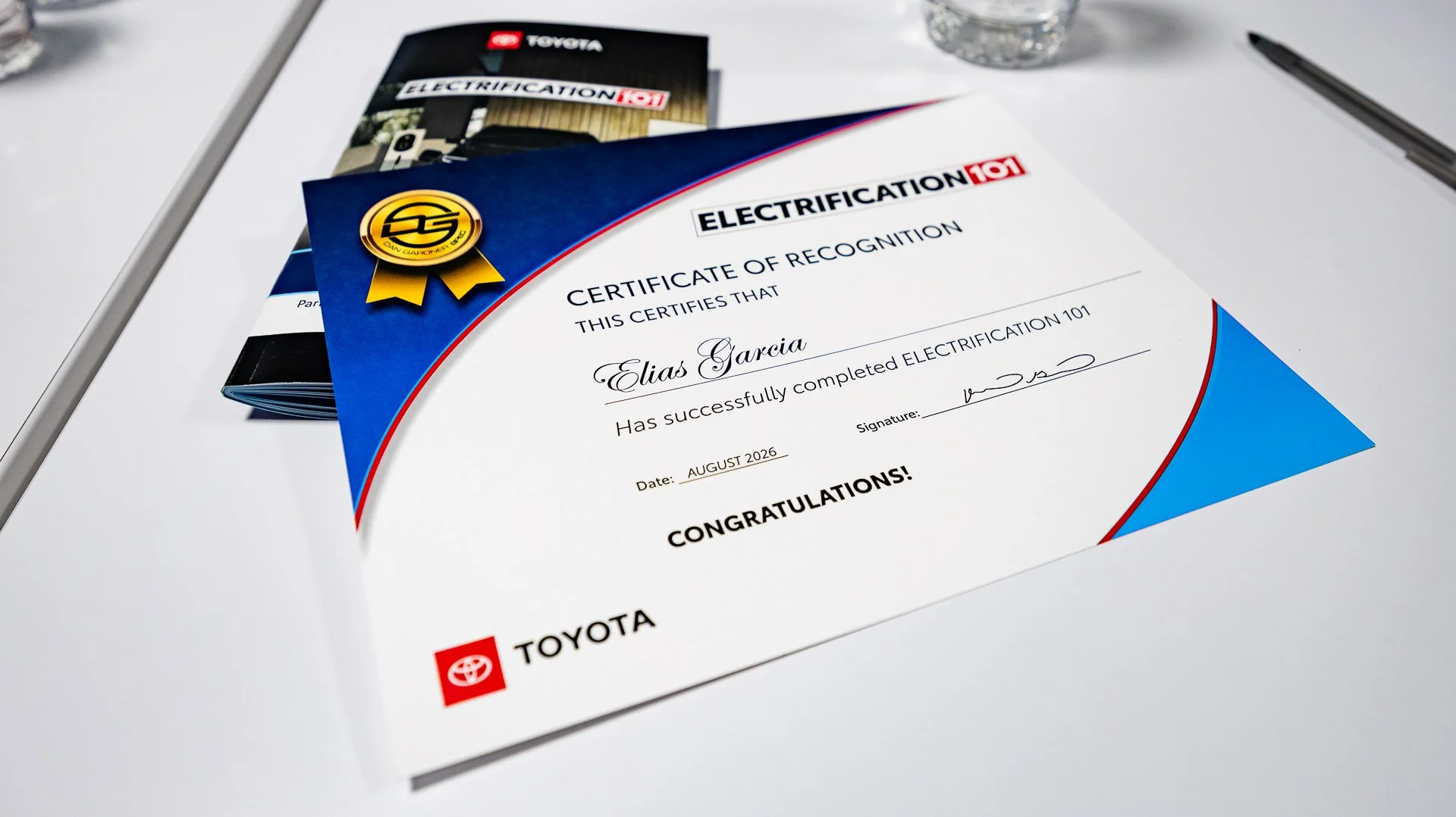
After our class was over, the students and I graduated and received our certificates of completion. As a non-Toyota employee attending, I was able to have an outsider view that the company is investing in it’s employees. This was actually their second course offering, and by the feedback that they’ve gotten, they may be considering their next one.
Photo: Toyota
I got to interview some of the employees and the main consensus was that they’re excited to gain the knowledge whether they were going to use it in their role, or simply have it as an item in their catalog of knowledge. One employee in accounting mentioned that the training helped them feel more connected to the company by being able to speak to what their more technical colleagues may be involved in. They also mentioned how this training helped him as a consumer, when it is time to buy their next Toyota. Another employee in accounting mentioned that it sparked an interest in learning more and having the knowledge to answer their friends and family member’s questions about the company’s vehicle offerings. The third employee I interviewed stated that although they are in the global compliance team, they often speak to departments and employees that are on the more technical side of Toyota. They mentioned that this training helps them have the confidence to speak to those team members.
Graduation
I want to thank the team for opening the doors to allow myself and other journalist to experience this training that is being offered to their employee. To see that Toyota is investing in training like this, and seeing the employee responding with their attendance, this is the culture you want to create in an corporation.